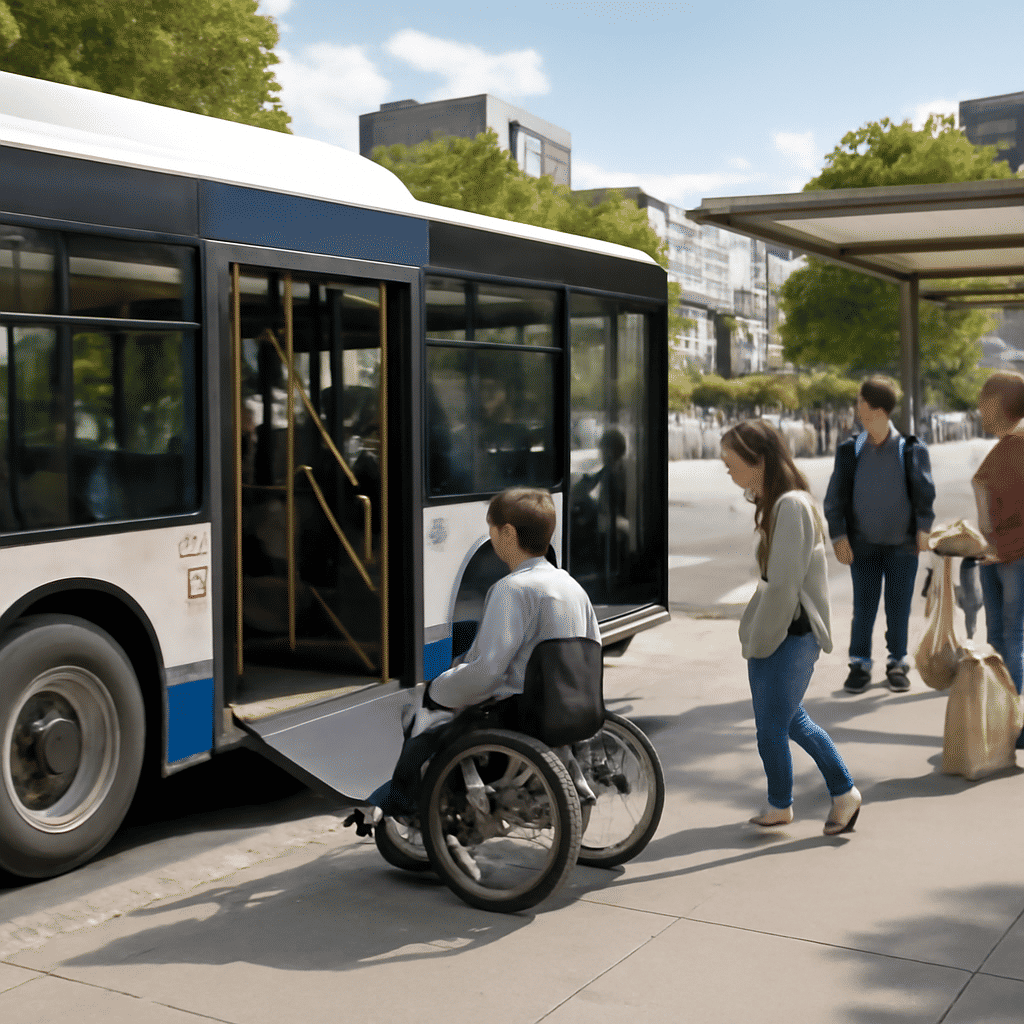
Accessible transportation is a fundamental aspect of creating an inclusive society that values the mobility and independence of all its members, including those with disabilities. Ensuring that public transportation systems are designed and operated to accommodate everyone is crucial for fostering an equitable environment where individuals can participate fully in all aspects of life, from employment to leisure activities.
The journey towards accessible transportation involves a multifaceted approach that integrates infrastructure, technology, and policies. It begins with the physical design of transit systems, which must cater to a wide spectrum of needs. This includes implementing features such as ramps, elevators, and low-floor buses that facilitate easy boarding for individuals using wheelchairs or other mobility devices. Moreover, ensuring that stations and stops are equipped with tactile paving and clear visual and auditory signage helps travelers with sensory impairments navigate these spaces more comfortably and independently.
In addition to physical infrastructure, technological adaptations play a critical role in enhancing accessibility. The integration of real-time information systems, for example, offers passengers up-to-date arrival and departure times, delays, and route changes, which is particularly helpful for individuals who rely on specific travel schedules. Furthermore, mobile apps and online platforms that provide accessible user interfaces enable people with disabilities to plan and manage their journeys more efficiently.
Beyond physical and technological improvements, inclusive policy-making is vital to creating an accessible transportation network. Governments and transit authorities must engage with disability communities to understand their unique challenges and requirements. Policies that prioritize accessibility funding, enforce compliance with accessibility standards, and provide training for transportation staff on disability awareness ensure that systemic barriers are addressed and removed.
Moreover, the promotion of universal design principles can lead to the creation of systems that are not only accessible to those with disabilities but also more user-friendly for the entire population, including the elderly, parents with young children, and travelers with temporary injuries or heavy luggage. The adoption of these principles underscores the idea that accessibility benefits everyone, leading to a more seamless and enjoyable public transportation experience for all users.
Furthermore, the development of community support systems, such as volunteer-driven transportation services and mobility assistance programs, can complement public transit and offer additional resources for individuals with disabilities who may require personalized travel solutions.
Improving accessible transportation necessitates continuous evaluation and adaptation to emerging needs and technologies. Stakeholders must remain committed to advancing innovative solutions and fostering a culture that prioritizes inclusivity. By embracing the perspective that accessible transportation is a right rather than a privilege, society can move towards a future where mobility is genuinely universal, offering equal opportunities for everyone to explore, connect, and contribute to their communities.